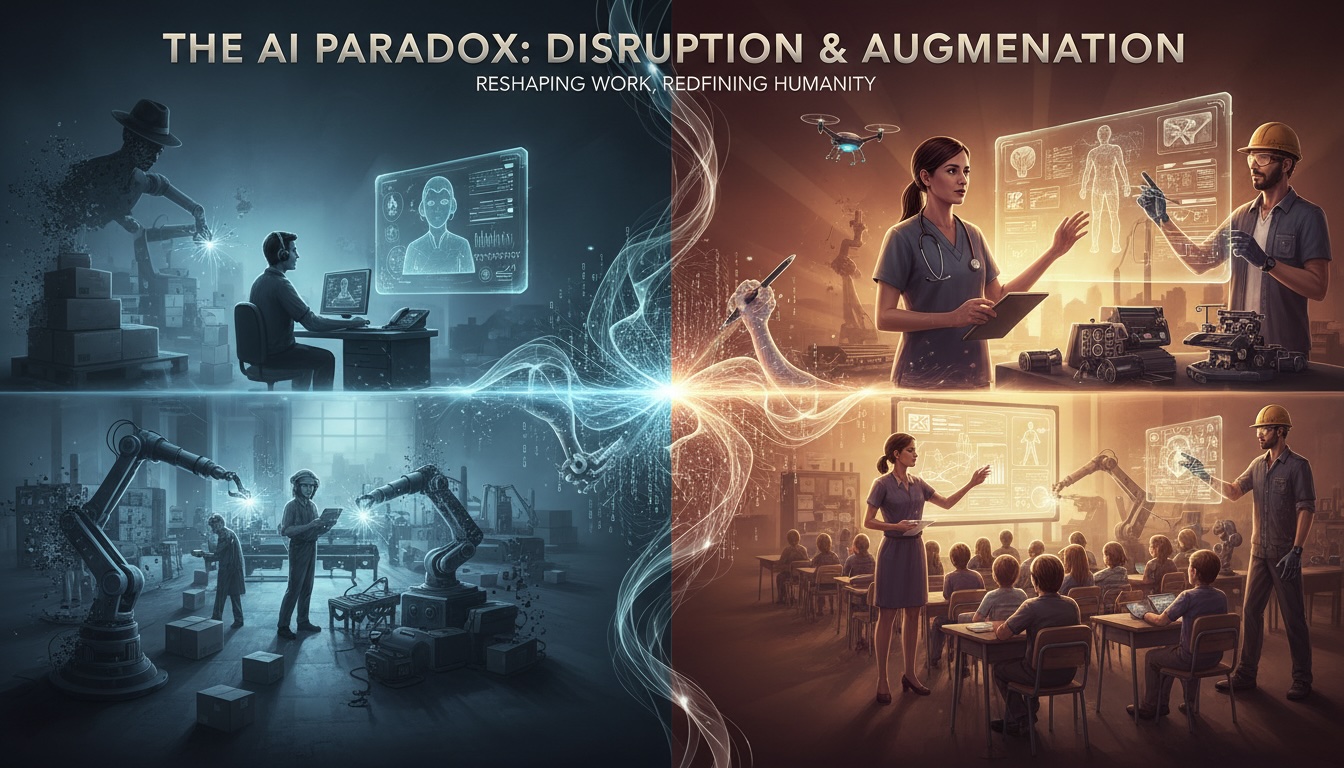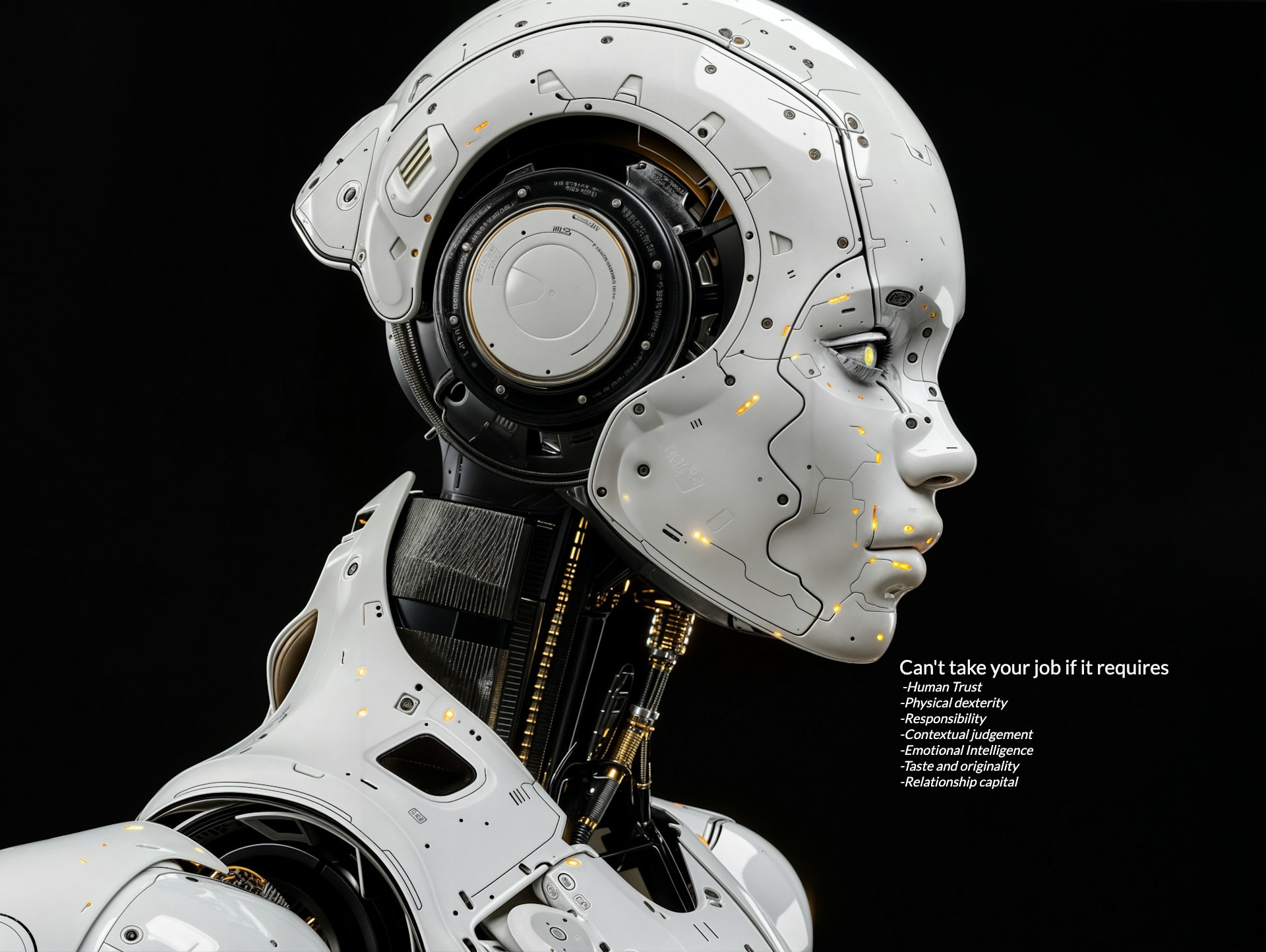
The jobs that will survive are not untouched - they are transformed
This is the part many people miss.
A "surviving" job does not mean the work stays the same. In many professions, AI will strip out the lower-level tasks and leave humans with more oversight, judgment, client interaction, and exception handling. That can make work more productive, but also more intense. Fewer entry-level roles may exist. Expectations may rise. Employers may ask one worker to do more.
So the real future is not just job loss. It is job redesign.
A lawyer may spend less time reviewing standard documents and more time advising clients. A doctor may spend less time on notes and more time on decisions. A marketer may spend less time drafting and more time on strategy. A programmer may spend less time writing boilerplate and more time on architecture, debugging, and product thinking.
The safe worker is not the one who refuses AI. It is the one who moves up the value chain faster than automation moves up from below.